© 2026 Rentokil Initial plc and is subject to the conditions in the Legal Statement
In China, from the nationwide pest control campaign of 1958 to the introduction of scientific control methods after the reform and opening up, and now to the inclusion of pest control in the industry's regulatory framework, China has gradually built a pest control system centered on intelligent monitoring and environmental friendliness. This development trajectory is highly consistent with the IPM (Integrated Pest Management) concept advocated by Rentokil Initial—emphasizing prevention first and focusing on ecological balance.
Looking globally, long before China's "Four Pests Elimination" campaign, from the discovery and use of the chemical agent DDT in 1939, to the green agriculture movement after World War II that spurred biological control technologies, and now to the 21st century, a sustainable governance model led by ecological regulation has become an international consensus. The history of international pest control also chronicles an epic transformation from "chemical dependence" to "green governance."
To celebrate the centennial of the Rentokil pest control brand, we invite you to explore the evolution of pest control technology over the past 100 years.
Early development of pest control tools and chemicals
1. The widespread use of physical traps
Physical traps were once the most common tool for controlling rodents—family-run pest control companies would go out every night to catch thousands of rats. However, this manual method was inefficient (although inexpensive at the time due to the lack of mechanical alternatives). For example, setting, baiting, and regularly checking traps required continuous effort, and could only catch a few individuals at a time, proving ineffective against large-scale infestations. Worse still, traps, if used improperly, could threaten children, pets, and non-target animals, posing significant safety hazards. Therefore, despite its widespread use, the cumbersome process and limitations of physical traps made them far from ideal.
2. The emergence of chemical control
While chemical pesticides had emerged and were gaining popularity at the time, they were far less effective than modern chemical control methods. The "solutions" sold in shops were mostly powders such as Epsom salt (magnesium sulfate), whose effects were often short-lived or even ineffective, and some even posed a threat to the user's health. Furthermore, the market was flooded with exaggeratedly advertised "miracle potions"—these quack remedies touted miraculous cures, but their actual effectiveness was far from satisfactory.
3. An initial exploration of biological control
By the mid-20th century, pest control began to employ more scientific methods. Biological control techniques, which emerged during World War II, began using bacterial cultures to control rodent populations. However, due to limited public understanding of science at the time, this was often mistakenly referred to as "virus therapy," reflecting the limitations of the era.
Ingenious traditional pest control
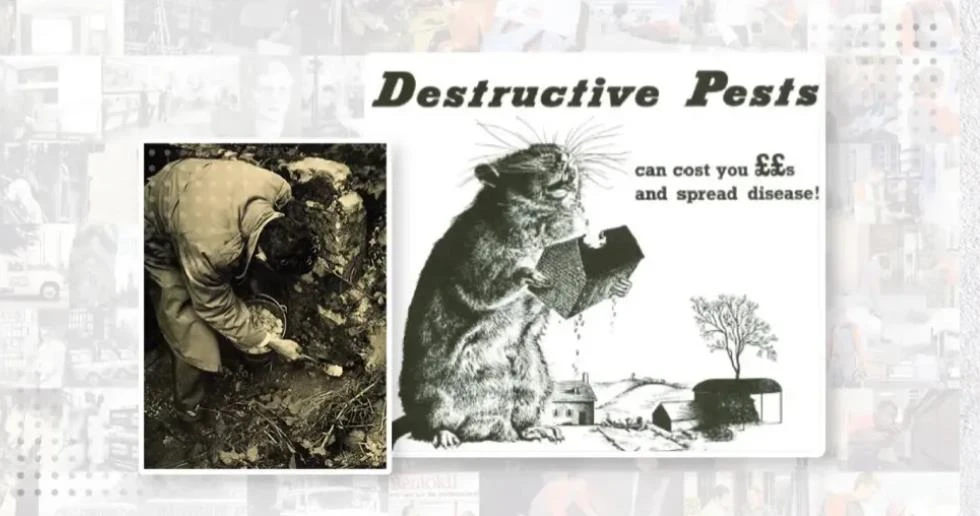
The wisdom of our ancestors gave rise to many peculiar (and even dangerous) methods of pest control. For example, to eliminate bedbugs, did they need to play with fire?
To drive away bedbugs (bed bugs), people at the time placed candles under metal bed frames to burn them. While this method may have been effective, it posed a significant fire risk, and probably no one would dare to try it today.
Peculiar methods of rat extermination: Rat catchers would sometimes track moths to locate carcasses of rats, and sometimes use hunting dogs to drive rats out of their burrows and then trap them in nets. These primitive methods demonstrate the resourcefulness of people in an era of limited technology.
These peculiar methods, though crude, show how people in the past creatively solved problems with limited resources.
Technological revolution reshapes pest control
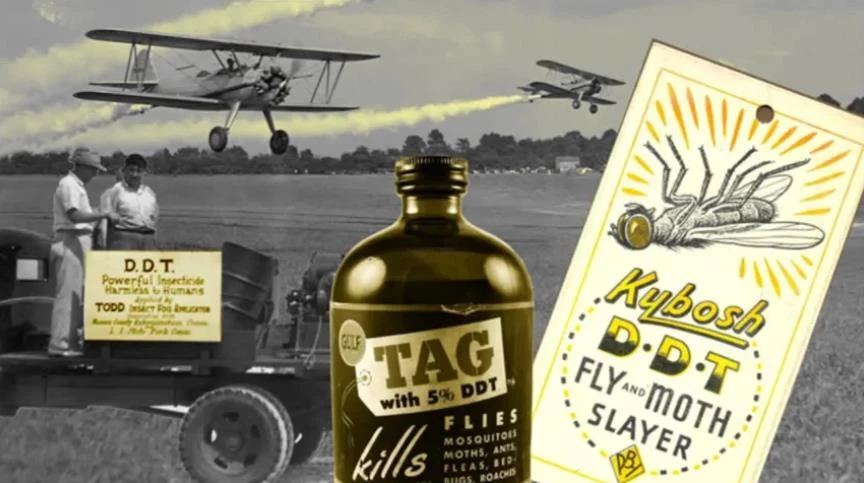
While traditional wisdom is valuable, scientific progress has truly driven the transformation of the pest control industry and laid the foundation for modern solutions. The introduction of chemical pesticides marked a turning point in pest control.
1. The Rise and Reflection on Chemical Pesticides:
Chemical pesticides such as DDT, which emerged in the mid-20th century, were once highly praised for their efficient and rapid killing properties. However, they are extremely persistent in the environment and bioaccumulate in the food web, which can lead to health and ecological crises, and therefore were eventually subject to strict regulation and even bans.
2. Anticoagulants Revolutionize Rat Control:
Early rat control typically involves using non-toxic bait to cultivate feeding habits before replacing it with poison. The delayed toxicity of anticoagulant rodenticides (onset after 3-4 days) completely changes the "rules of the game"—rodents ingest a lethal dose before even noticing discomfort. This significantly lowers the barrier to entry, allowing even non-professionals to effectively control rats.
3. A New Strategy for Precise Cockroach Control
Replacing indiscriminate spraying, targeted baits are becoming the mainstream. These solutions are safe, economical, and can be widely used without the need for professional intervention.
In the late 20th century, pest control evolved from simple, brute-force extermination to a science-driven industry. For example, Rentokil's PowerCentre global R&D center specializes in technical consulting, product testing, and regulatory analysis, driving continuous innovation in the industry.
.eb068b7b3672d76ec969e9344ff38614.webp)
Have insect pests themselves evolved over the past century?
To explore the evolution of pest control technology, it's impossible to ignore whether and how the pests themselves have changed (including adaptability and pesticide resistance).
Over time, rodents, bed bugs, and other pests have developed resistance to traditional pesticides, posing new challenges for professional pest control personnel.
For example, rodents have proven to have remarkable adaptability, often requiring a combination of solutions for effective control. Research also suggests that rodents may naturally carry anticoagulant resistance genes (similar compounds have been found in nature), which were only activated and screened after the widespread global use of related poison baits.
In short, the pests themselves haven't "changed," but the tools and ecological environment used to control them have certainly changed.
Modern Pest Control Landscape
.eb69a70c928dd33ecb71eacf8aebd2e0.webp)
Clearly, today's pest control focuses on sustainability, innovation, and more human-centered approaches, a stark contrast to the broad-spectrum chemical treatments of a century ago that ignored health and environmental impacts:
- Integrated Pest Management (IPM): Emphasizes prevention and long-term control, not just pest eradication.
- Digital Revolution: Connected devices (such as video surveillance) significantly reduce response times. Traditional methods rely on periodic inspections to detect pests, while smart devices can issue real-time alerts, allowing technicians to address the root causes rather than just treating symptoms.
- AI-Powered New Heights: Artificial intelligence cameras identify pests with astonishing efficiency and automatically issue warnings, minimizing pest impact. Businesses can quickly and accurately solve problems and reduce losses.
The Future is Here: A New Era of Smart Pest Control
- From the earliest traps to today's high-tech solutions, pest control has undergone a dramatic transformation over the past century.
- As a leading global pest control service provider, we are committed to using cutting-edge technology to provide you with superior solutions, protecting your environment and health.