+400 820 8770 Contact us Contact us online

Integrated pest management

What Is Integrated Pest Management and How Does It Benefit You? 

Integrated pest management (IPM) is a holistic approach towards pest risk management by utilising proactive control methods. It requires a combination of pest exclusion practices that involves good sanitation procedures along with extensive monitoring. With IPM in place, you can mitigate potential pest infestation eventually saving your business cost in the long run.

Why do you need IPM?

  • Early detection of potential pest problem reduces risk of infestation
  • Monitoring of pest trend helps determine the right dispersion of pesticides
  • Accurate identification and monitoring of pest allows correct deployment of maintenance plans
  • Minimise disruption to daily operations
  • Avoid introducing new pest into the premises

At Rentokil Initial, we work closely with you to fully understand your business requirements to develop a sustainable IPM programme. We distinguish ourselves by conducting a thorough risk assessment of your site to identify potential pest problems that are then incorporated in our forward planning, regular monitoring and decision-making. Besides that, we are familiar with many industry's regulations and auditing standards to better support you in your supply chain risk management.

What can you expect from Rentokil Initial?

Rentokil’s commercial pest control services combine the industry’s most advanced technologies and methods with local, experienced pest control specialists. This means your customized pest management plan is tailored to the pests specific to your business.
 

Effective Cost Control Solutions

Tailored pest control solutions protect your business while delivering cost-effective results and minimizing the risk that pests pose to your profits.

Advanced, 24/7 Pest Management

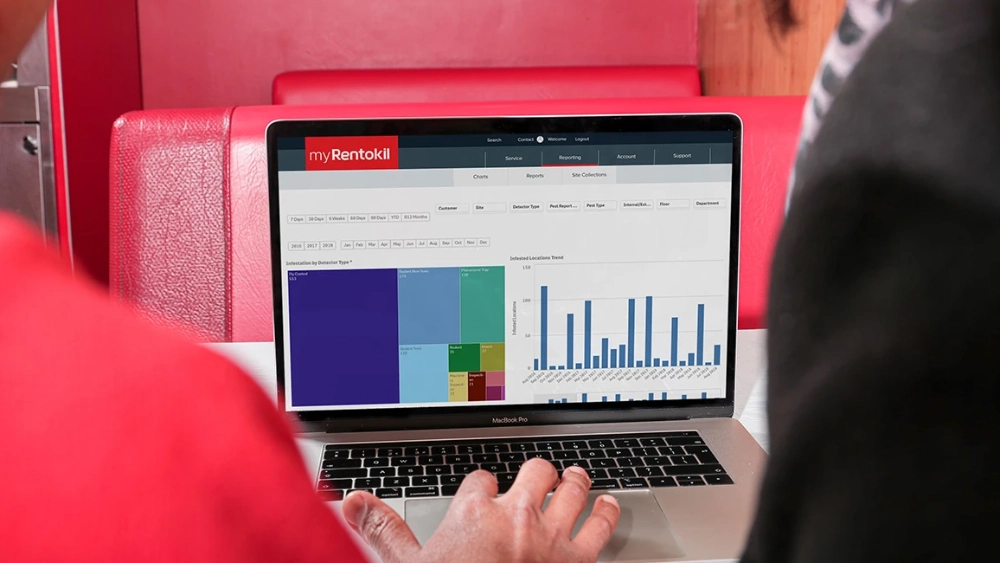
Secure, real-time myRentokil reports provide you with round-the-clock access to pest management documentation, trend analysis, and recommendations for responding to pest activity across your entire organization.

Global Perspective, Local Expertise

Our local, licensed, and highly specialized pest control experts in China bring innovative, globally recognized expertise in pest management.

Integrated Pest Management (IPM)

Rentokil Initial employs a five-stage pest control approach, focusing on strategic preventive measures rather than tactical, reactive plans.

Effective pest control should actually begin during the building’s design and construction phases, with a focus on the planning of interior layouts and the materials used.

Architectural design must fundamentally prevent pests from hiding in or entering the space. Specific measures include:

• Blocking entry points: Tightly sealing key areas such as doors, windows, vents, ductwork, and drain openings
• Reducing the risk of infestation: Ensuring that pest prevention measures remain effective during daily operations

Rentokil Initial plans to take necessary actions to prevent pest infestations, including the use of physical, cultural, and chemical methods, and will provide recommendations regarding:


  • Physical Control: Maintaining buildings to prevent entry
  • Cultural Control: Modifying operational procedures to prevent infestations; specifying monitoring frequencies, responsible personnel, monitoring activities, reassessments, and activity records
  • Sanitary Control: Removing food sources, such as waste, spills, and improperly stored food; eliminating hiding places
  • Chemical Control: How to use safe and approved pesticides to eliminate pests, applicable to establishments that store, prepare, and display fresh and packaged foods, as well as areas accessible to the public
  • Utilize inspection mechanisms to detect the presence of pests as early as possible in and around buildings, fixtures, equipment, and areas where products and incoming goods are stored and displayed
  • Staff Training
  • Document the specified control measures for use by the review team and auditors/inspectors

Implement control measures to achieve optimal results and ensure safety:

  • Assign trained personnel to be responsible for control measures in each area; this may include appointing internal or external pest control specialists
  • Allocate sufficient resources to implement the relevant measures
  • Implement control measures and inspection programs according to the plan
  • Document the actions taken and their results in accordance with standards and legal requirements

In the event of a pest outbreak, accurately identifying the pest is critical to determining the most appropriate control methods and preventive measures needed to avoid future outbreaks.

  • Pest Species—Different species of closely related pests exhibit distinct behaviors and biology, requiring tailored treatment approaches to achieve optimal results
  • Source – Pests may be introduced in delivered goods or gain entry due to structural defects, poor maintenance, unsanitary conditions, or spoiled merchandise.
  • Potential Damage – Does the pest pose a food safety risk to fresh, prepared, or packaged goods? Could it damage equipment, fixtures, or building structures?
  • Potential Hiding Places – Inspect the building and its surroundings to identify potential hiding places.
  • Population Size – Estimating the pest population not only reflects the severity of the problem but also indicates how long they have been breeding on the premises
  • Favorable Conditions – Pests may be present due to environmental conditions—resulting from supplier or transportation issues—that encourage or trigger pest infestations

Evaluate the effectiveness of the pest control program, including:

  • Inspecting pest control operations
  • Reviewing operational procedures to reduce food sources, hiding places, and contamination
  • Reviewing preventive maintenance procedures
  • Reviewing documentation
  • Recommending changes and improvements to the IPM program
  • Implementing recommended changes to the IPM program

Our service benefits:

  • Partnership between customers and Rentokil Initial

    • Cooperation and sharing of roles in pest management essentially to protect reputation and pass audits.
    • Partnership with you to maintain consistent alignment on implementing strategies and action plans.
  • Education and exclusion

    • Total Hygiene Awareness Training and educational materials to support you in raising the awareness of your employees.
    • Identification of pest entry points and proactive recommendations on proofing action plan to help you keep your premises in optimum condition.
  • Sanitation

    • Professional evaluation on current cleaning practices and further advice to reduce pest infestation by cutting off food source, water and shelter.
  • Treatment

    • Efficient control or management of infestation with appropriate pest control solution in conjunction with the use of non-chemical treatment, and chemical treatment sparingly where necessary.
    • Rotation of treatment methods and chemical application to discourage pests from developing pesticide resistance in the long run.

Contact us

* Required field

Are you a *
Reason for contacting *

Types of reporting services available