© 2026 Rentokil Initial plc and is subject to the conditions in the Legal Statement
75% of human senses are primarily influenced by smell.
By 2020, 46 key cities across the country will have basically established waste sorting systems. Along with the popularization of waste sorting standards, a large-scale renovation of waste collection points will also be launched.
Some garbage collection points require users to input the type of garbage before the bins can be opened. While improving the accuracy of garbage sorting, this also means we spend significantly more time at these collection points. Therefore, we must also pay attention to the odor problem caused by garbage accumulating over time.

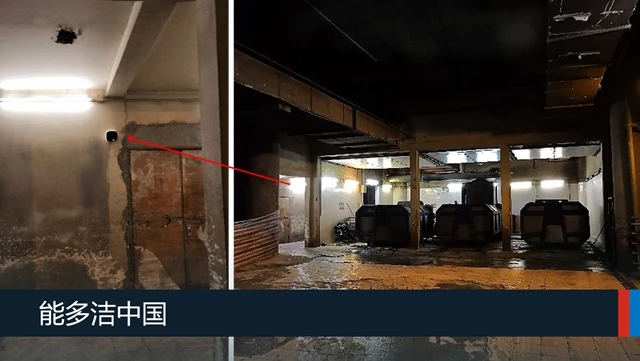
Beyond residential communities, the problem of unpleasant odors from garbage rooms is even more prevalent in public buildings with high volumes of wet waste, such as shopping malls , hotels , and office buildings . Especially during garbage room renovations, these odors cause significant discomfort and even health risks to managers, employees, and construction workers. Furthermore, these odors attract flies and other pests, posing risks to the renovation work and threatening the health and safety of the entire building.
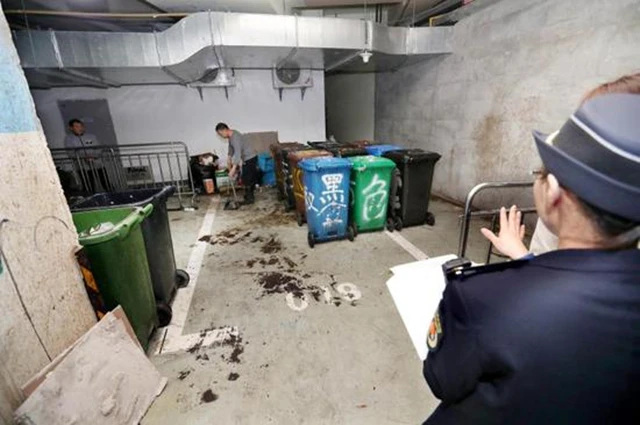
Therefore, to fulfill the mission of garbage sorting, the renovation of garbage rooms should not only be about separating garbage bins, but also about taking this opportunity to optimize odor management and create a better environment.
How to reduce odors in garbage rooms?
First, it's important to understand that wet waste doesn't necessarily equate to having an odor. The odor arises from poor ventilation and microbial activity during the accumulation of organic matter, producing gases such as ammonia, hydrogen sulfide, organic amines, and methane. In hot weather, the fermentation process accelerates, making the odor even more pronounced.
Therefore, reducing odors requires proper ventilation first, followed by addressing both the existing odors and their root causes.
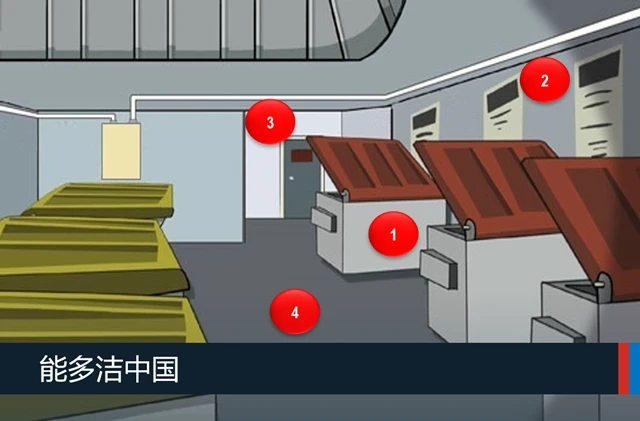
The Rentokil Initial odor control solution can achieve all of this. Utilizing specialized agents and essential oils, this solution effectively neutralizes odors in the air, significantly reducing their concentration and intensity. Simultaneously, it enhances the growth and reproduction of beneficial bacteria in the environment, accelerating waste decomposition and reducing odors at their source, thus speeding up odor removal efficiency.